
The Mystery of Boo Radley
To Kill a MockingbirdThe children's evolving perception of Boo Radley from a terrifying phantom to a secret friend and protector.
increasing Bearing strength in each event
 decreasing
Bearing strength in each eventdecreasingInitial Fear and Fascination
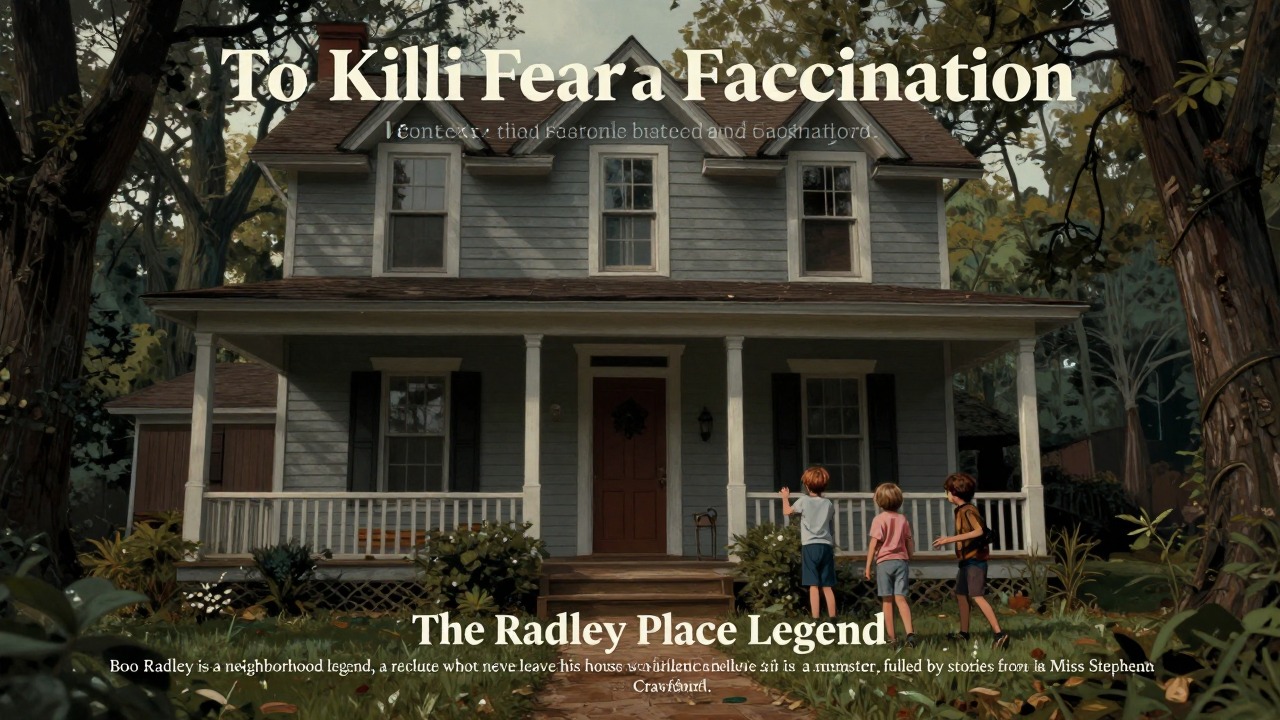
Initial Fear and Fascination
The Radley Place Legend
Boo Radley is a neighborhood legend, a recluse who never leaves his house. The children believe he is a monster, fueled by stories from Miss Stephanie Crawford. They dare each other to touch the Radley house and play games that reenact his supposed crimes.
The Children's Obsession
Jem, Scout, and Dill are obsessed with making Boo come out. They attempt to deliver a note to him and peer through his windows. Their fear is mixed with curiosity, and they view Boo as a source of adventure.
The Moral Question
Atticus repeatedly warns them to leave the Radleys alone, telling them that Boo has a right to his privacy. The children's fascination persists, but Atticus's lessons begin to plant seeds of empathy.
Gifts in the Knot-Hole
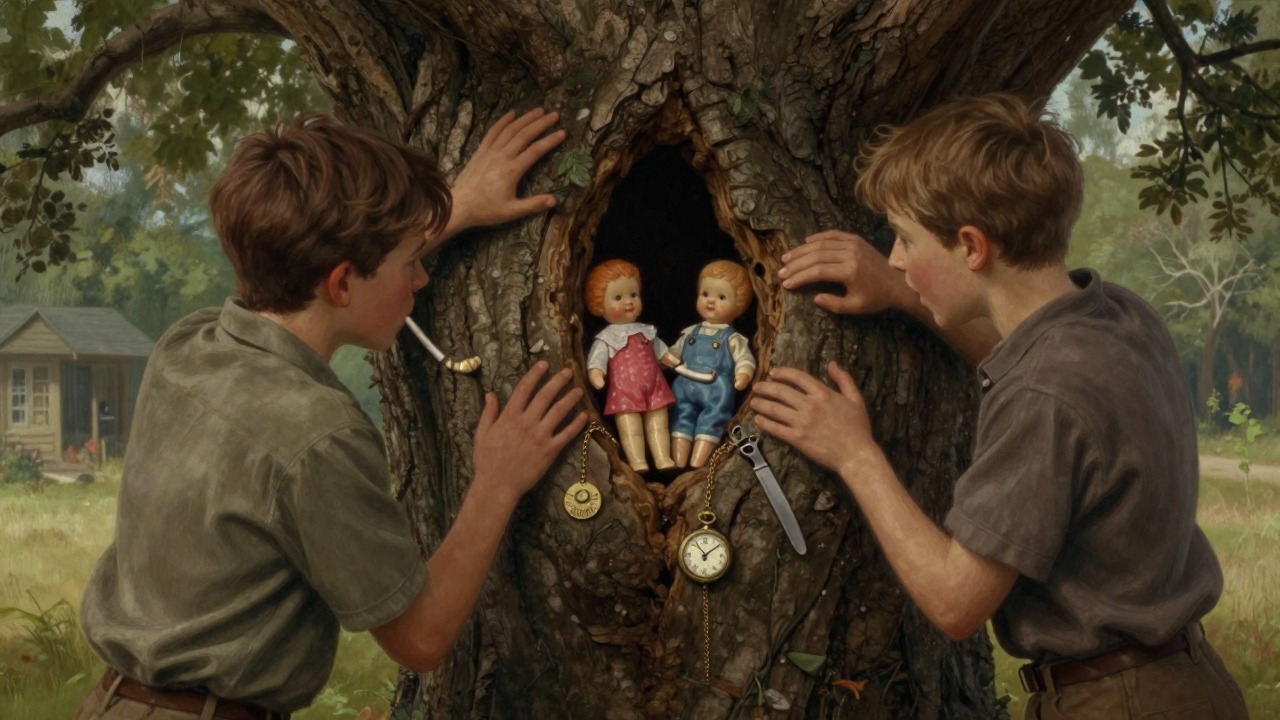
Gifts in the Knot-Hole
The Discovery
Jem and Scout find a series of gifts in the knot-hole of an oak tree on the Radley property: chewing gum, two soap dolls carved to resemble them, a spelling medal, a pocket watch on a chain with an aluminum knife. The children are delighted and puzzled.
The Mystery Deepens
They try to identify the giver. Jem suspects Boo Radley, but he is afraid to say so. The gifts create a secret bond between the children and the unseen neighbor. They plan to write a thank-you note.
The Cemented Hole
Before they can deliver the note, Mr. Nathan Radley fills the knot-hole with cement, claiming the tree is dying. Atticus says the tree is healthy, and Jem realizes Nathan is trying to stop Boo's communication. Jem cries at the loss.
The Blanket at the Fire
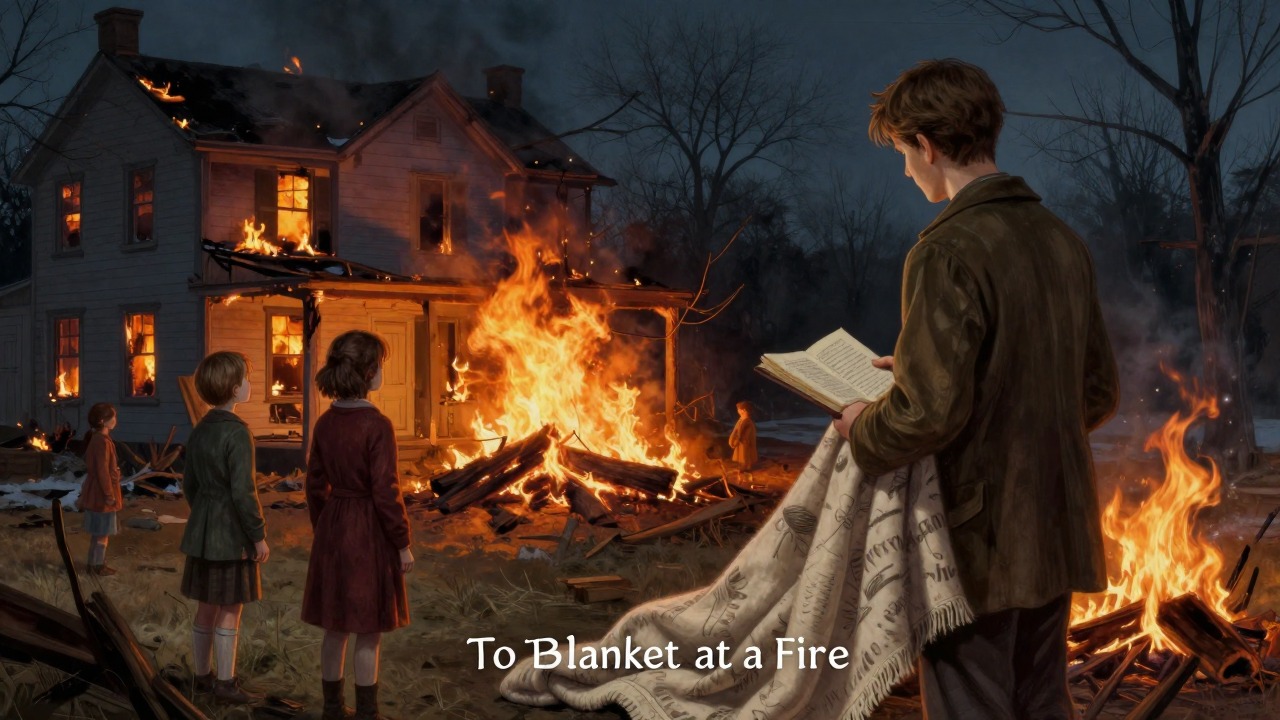
The Blanket at the Fire
The Fire
Miss Maudie's house burns down on a freezing winter night. Jem and Scout watch from in front of the Radley Place, as instructed. The fire is spectacular, and the children are distracted.
The Silent Act
Unbeknownst to Scout, Boo Radley slips out of his house and places a brown woolen blanket around her shoulders. She does not notice until Atticus points it out later.
The Revelation
Atticus tells them that Boo put the blanket on Scout. Jem is awestruck and confesses all their secrets about the knot-hole and his pants. Atticus tells them to keep the blanket to themselves, suggesting that someday Scout can thank him. The incident transforms Boo from a phantom to a real person who cares.
Jem's Mended Pants
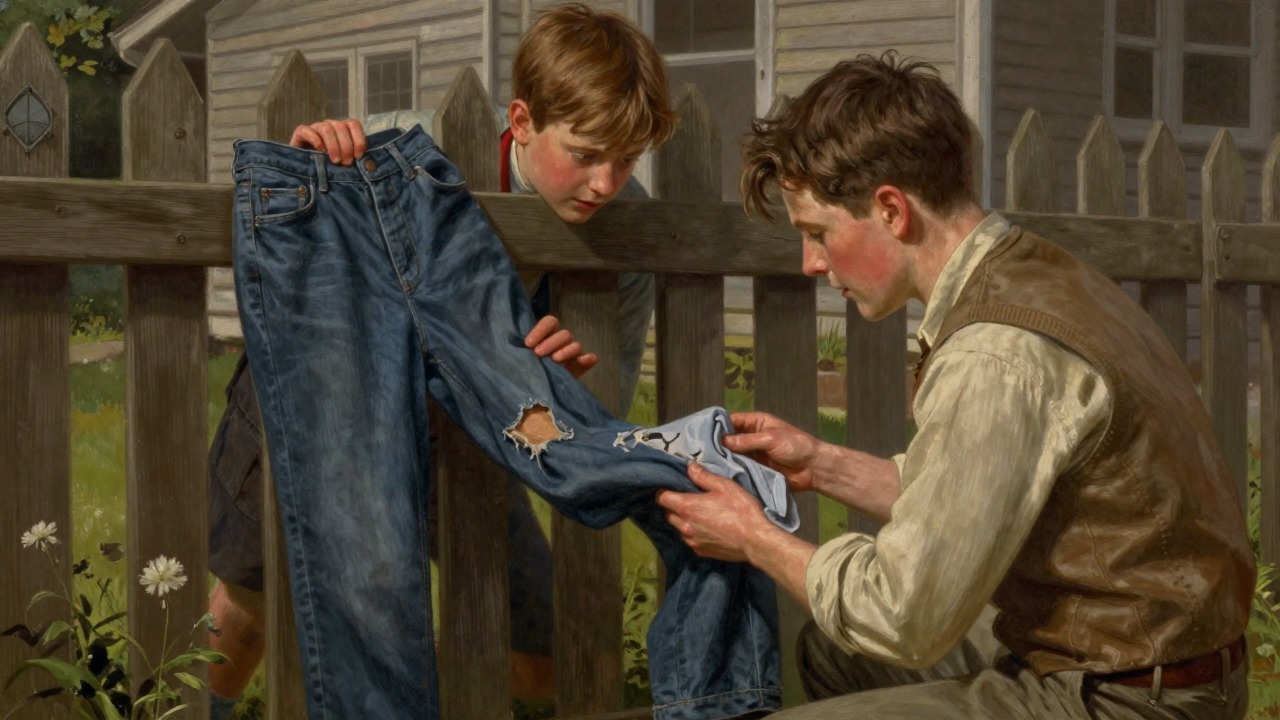
Jem's Mended Pants
The Escape
Earlier, the children had attempted to peek into the Radley house. Jem's pants got caught on the fence, and he had to leave them behind. He returned later to find them mended and neatly folded.
The Evidence
Jem tells Atticus about the pants during the fire confession. He says Boo could have cut his throat but instead tried to mend his pants. This act of kindness further humanizes Boo.
The Secret Bond
Jem's realization that Boo has been watching over them deepens his understanding. The mended pants become a symbol of Boo's protective nature, hidden beneath the town's rumors.
The Story's Future Promise
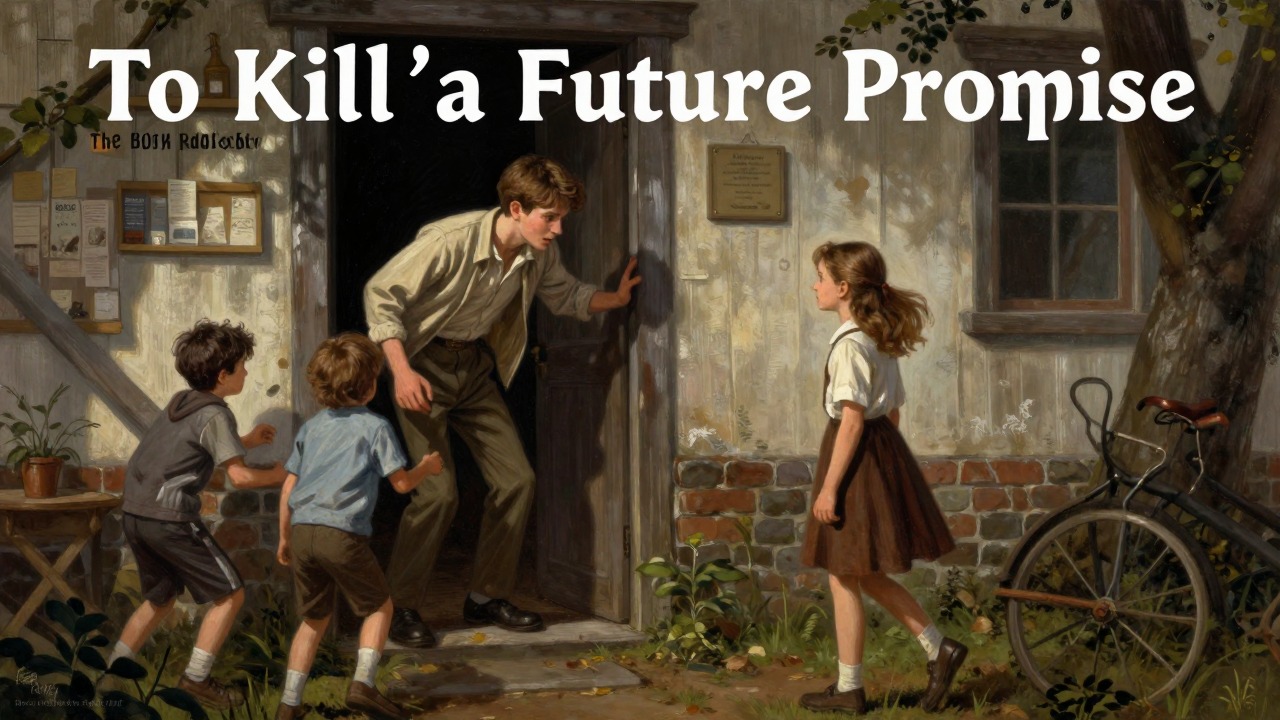
The Story's Future Promise
The Unfolding
Boo Radley's role in the children's lives will culminate in a dramatic rescue. He saves them from Bob Ewell's attack, finally stepping out of the shadows. Scout meets him face to face and walks him home.
The Full Circle
Scout tells Atticus that hurting Boo would be like killing a mockingbird. She finally understands the lesson of empathy: to see the world from Boo's perspective.
The End of the Mystery
Boo's emergence ends the childhood obsession. The children learn that Boo is not a monster but a lonely man who loved them in secret. The thread of Boo Radley ties together the themes of innocence and compassion.
early in the children's lives
autumn, after the second grade
night of Miss Maudie's house fire
previous summer, referenced at the fire
later in the story, after the trial
